
Day vs Night Shoots, the Hard Truths
Ah, another blog post written by Novacat’s very own IATSE 487 member. Why am I writing this blog post? (Other than the fact that I write most of them?) Well my dear reader, we are discussing the logistics of Night vs Day shoots. The Pros and the Cons. And who better to talk about than the person who has worked as a Grip and Electric on many a night and day shoot!
Day Shoots!
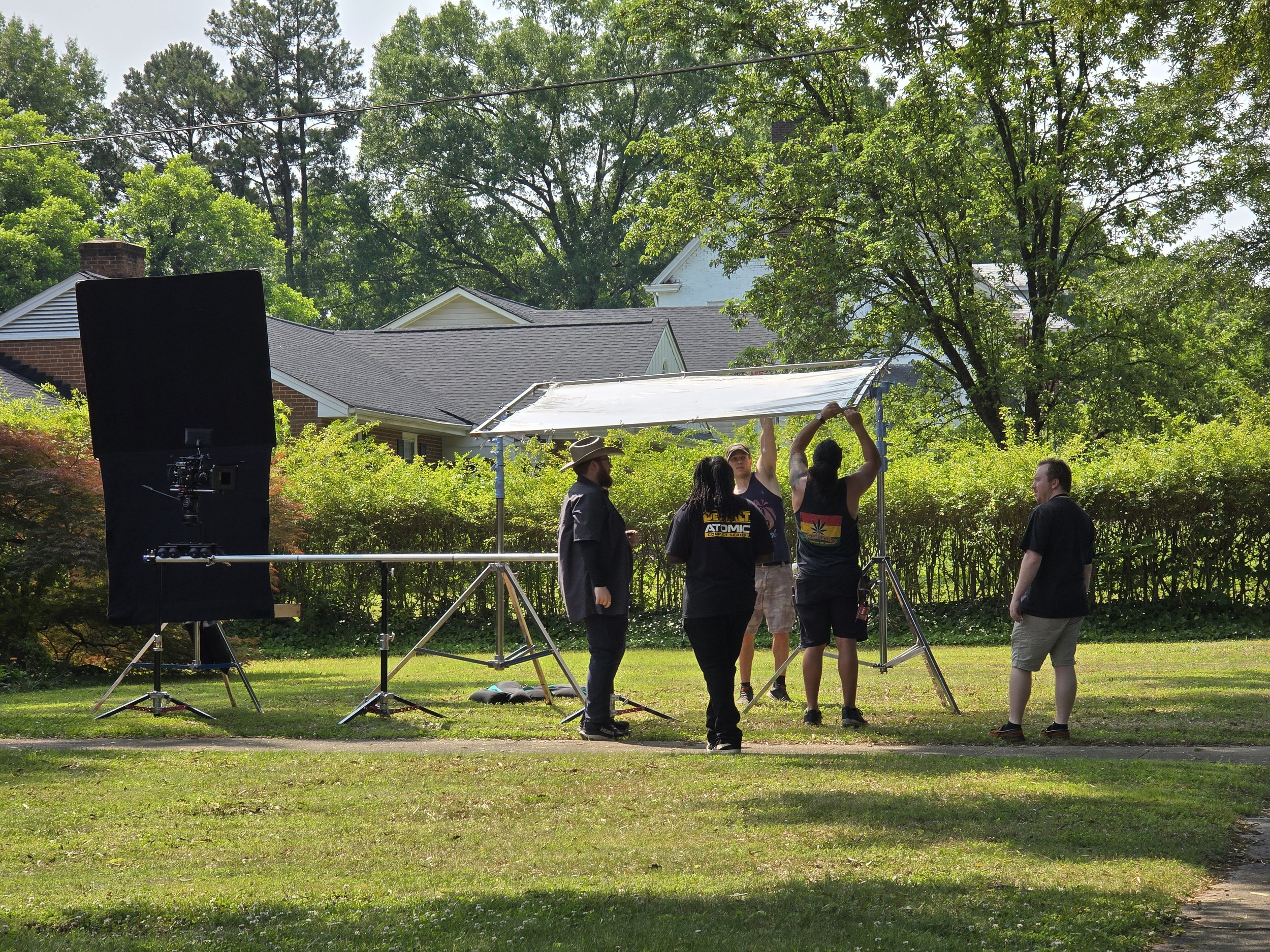
The classic. Day shoots are well shot in the daytime. That seems very simple, because mainly it is. On a normal 8, 10, or 12 hour day, you can enjoy the sun for the entire day. Sunrise to Sunset. Let’s look more into it.
Pros
Crew have the ability for more normal sleeping hours.
The crew have the ability to sleep at night time. Something that many people take for granted, but does help morale and work life balance of the crew.
Get to work with natural sun.
Natural Sun can lead to some of the most beautiful shots in a movie. God has made many beautiful things, and the Sun often helps enhance them all. Golden Hour is a time of day that can only be achieved with the Sun. Can’t fake that!
More restaurants are open for meals.
A thing often not thought about when people want to do an overnight shoot, is what do you feed the crew. Food options get limited as it gets later into the night, and during the day, everywhere under the sun is open.
Cons
The Heat
The hottest time of each day is at around 3 PM, during day shoots, you will hit the hottest time in the day. Usually not a big deal, but if it is the summer then hydration and health of the crew must be factored.
The Sun
As much as I love the Sun, and what it can do for shots, the Sun does not play but the rules and laws of man. It does what it wants, when it wants. And us mere Gaffers cannot control the Sun and Weather. (as much as some of us would pretend we could!)
Traffic
Depending on the hours of set, the crew will most likely hit traffic or rush hour during the day, either going to set, home from set, or to another location. This can sink time in an already long day.
Night Shoots!
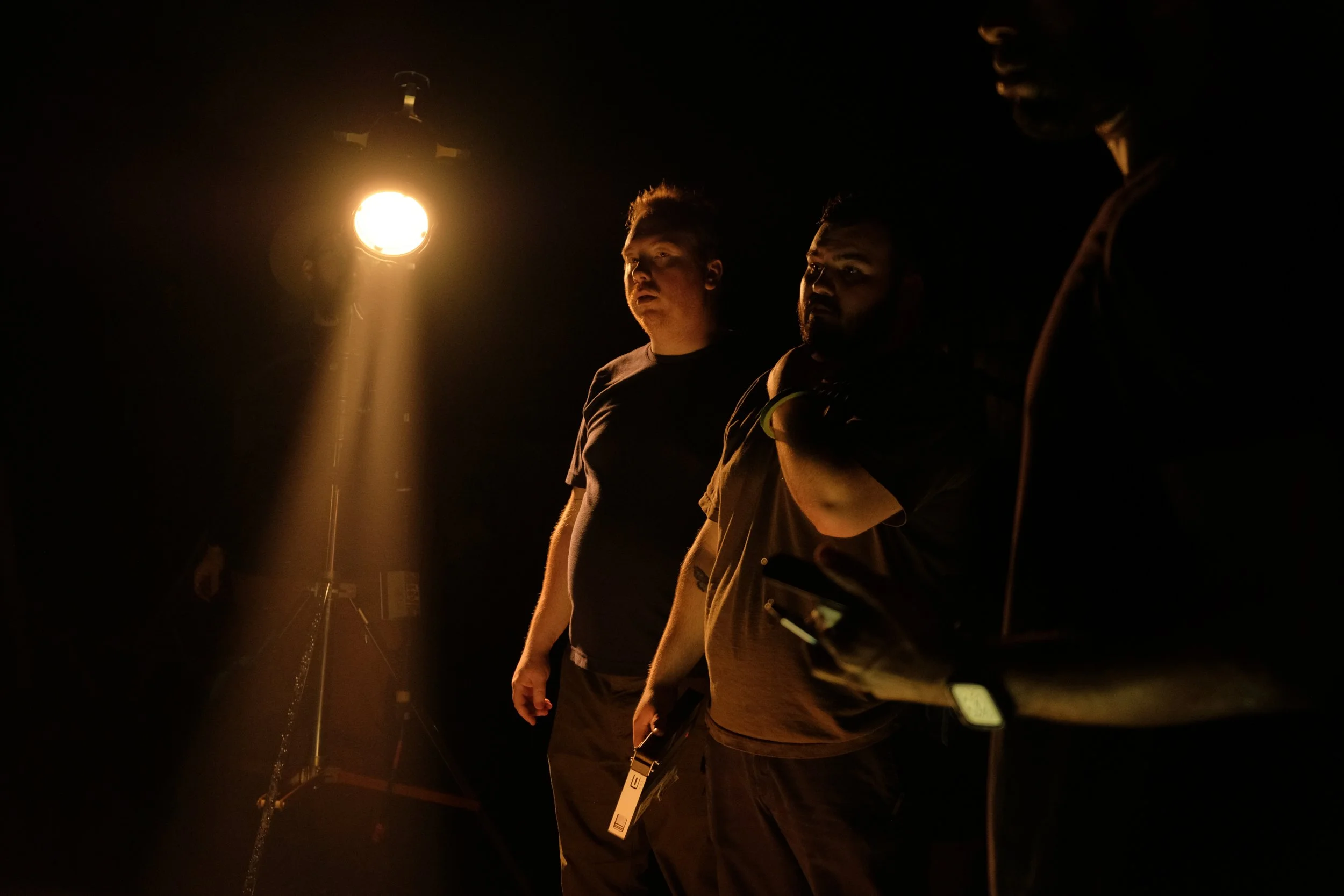
We love them, we hate them, we love to hate them. Night shoots. Night scenes are often the most remembered in movies, as DPs and Gaffers can have more control over a space in darkness. However, just like day shoots, they have some quirks.
Pros
Full Control
With it being so dark, the lighting and camera team get an opportunity to truly create their own vision. This can be done in the daytime, but at night we don’t need to deal with the pesky sun.
No Traffic
Now going to and from the set, and all over town is so much easier when everyone is asleep!
Less Interruptions
Along the lines as the previous point, there will be less people watching and bothering the set, if there are less people around.
Cons
Meals
As I have mentioned as a Pro in the daytime, at nighttime there are less places open for meals. This can easily be remedied by contracting a restaurant or place, but there is much more planning that needs to be done for a night shoot meal, vs a day shoot.
Crew Sleep
The crew sadly get dinned hard on this one. The crew need to sleep during the day time if there is a night shoot. Now that isn’t the hardest thing, but if people have families, or other responsibilities, this could either lead to lack of sleep of our wonderful crew member or our crew member’s week or month being disrupted due to the shoot day.
Noise Ordinances
Film sets are loud, bright, and annoying. In the day time they are a fun distraction, at night they are annoying. If there is a film set next to your house, it sucks. Many shoots get disrupted (fairly) due to people wanting to get a proper night's sleep, in their own house (how rude!)
Conclusion
As you can see, there are a lot of pros and cons to day and night shoots, some we didn’t even go over. Whatever works best is what is best for your movie! Often people do a Split which is a little bit of day shoot and a little night shoot (if you did a 12 hour day instead of 7 AM - 7 PM think 12 PM - 12 AM). These usually help avoid the worst Cons of each shoot, while getting the pros of both. Figure out what works best for you. To hear more, listen to our latest Podcast!